
This survey measures the real loads on the standing rigging during a sea trial, using sensors fitted for the outing. It shows which stays are working harder, whether the trim is balanced between sides and between verticals and diagonals, and how the rig is actually loaded in the conditions you sail
Specialist FEA, fatigue and dynamic analysis for yacht rigging, marine structures and defence applications
Download the sea-trial load surveyThe outing covers the wind and the sailing that were recorded. Using your sailing profile we can also estimate a conservative range for harsher conditions or more hours in the same style of sailing. Conditions not measured are listed and treated more severely. It does not transfer to a different rig. A sister ship is a different rig.
From the measured outing we also estimate a conservative range of sailing time before the next inspection, for the conditions sailed. The maker’s interval, or the insurer’s, still applies. Whichever comes first. It can only bring an inspection or replacement forward, never postpone it.
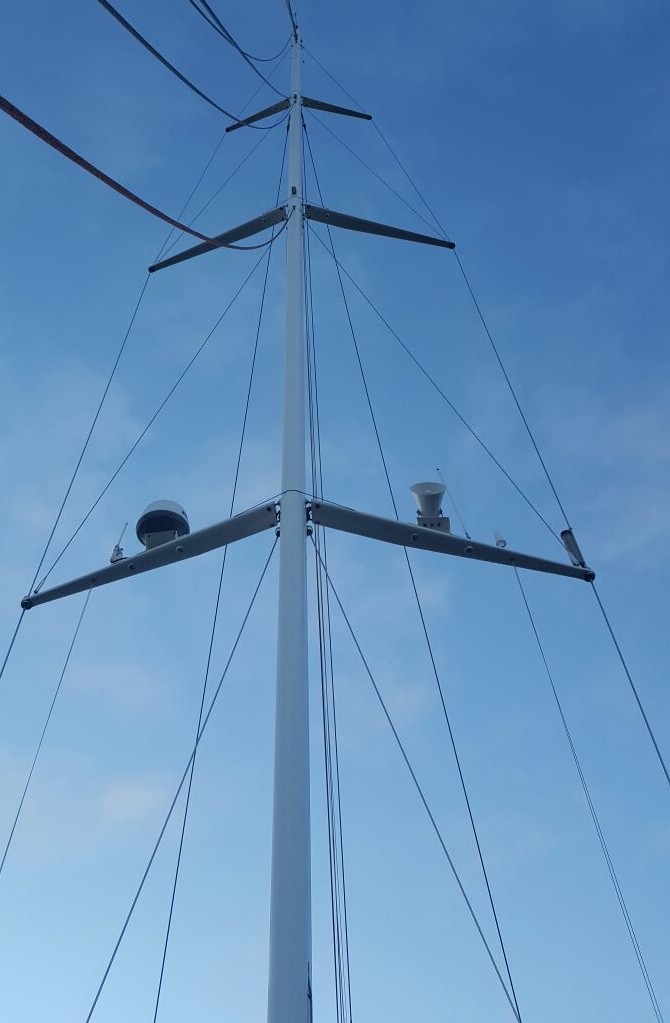
Yacht mast and standing rigging. The sea-trial load survey measures how hard this rig is working.
This step starts only when an inspection has found a crack, or a suspect fitting, and the report is on the table. The sea trial does not look inside a part. No report, no crack step.
Crack assessmentWe also undertake static structural and mechanical FEA simulations, and SolidWorks geometry preparation, when it supports a fatigue, crack or dynamic decision.
Composite design and delamination analysis is under development and can be discussed for suitable future projects.